Are you considering applying for a mortgage or refinancing an existing one? If so, understanding the ins and outs of impound accounts can help make the process smoother. Impound accounts are written into most mortgage agreements — but what exactly are they, and how do they work?
In this article, we'll take a closer look at these key elements in home financing to help ensure you can make an informed decision when it comes time to sign your loan documents.
By doing your due diligence upfront, you can save yourself from unexpected costs down the line and give yourself peace of mind while transferring ownership of your property.
Read on to learn more about impound accounts!
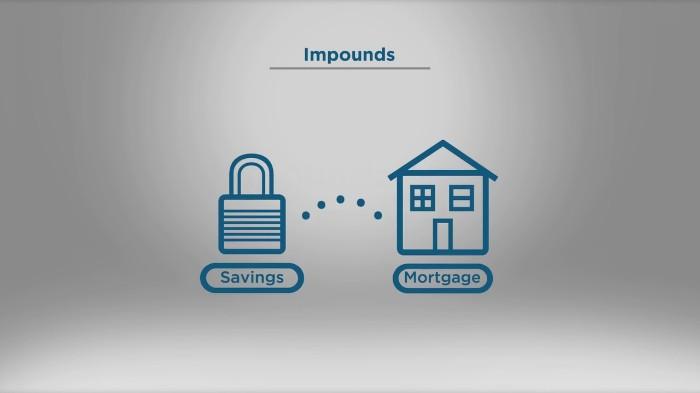
A mortgage impound (escrow) account is a special account managed by the lender that holds money collected from you each month to pay your property taxes, homeowners insurance, and other items.
The lender collects this money as part of your monthly mortgage payment and deposits it into an impound or escrow account. This ensures that all necessary payments are made on time, and it protects the lender by ensuring that the taxes and insurance are paid.
The amount of money held in an impound (escrow) account will vary depending on your loan terms, including how much you owe for real estate taxes and homeowners' insurance. Generally, lenders will require between two and 12 months of taxes and insurance to be held in the account.
When it's time for your taxes or insurance payment, the lender will withdraw the money from the impound (escrow) account and pay on your behalf. No additional payments are required if you have enough money in the account. However, you must pay to cover the shortfall if there needs to be more money in the account.
A mortgage impound (escrow) account is an important way to ensure that homeowners can manage their finances effectively and prevent any potential financial difficulty in the future.
With a mortgage impound account, homeowners can make regular monthly payments towards taxes and insurance premiums instead of large lump payments when they come due at the end of the year. This helps to spread the expense over the entire year, making it more manageable and less burden on homeowners.
Having an escrow account helps protect homeowners from any potential increase in taxes or insurance premiums. By setting money aside each month into their impound account, they can build up a reserve that can be used to pay any increases that may happen within the year.
Having a mortgage impound (escrow) account is important because it allows homeowners to budget effectively and plan for major expenses that come with homeownership, such as property taxes and insurance payments.
This makes it easier to make well-informed decisions about how much they can afford in terms of mortgage payments and any other financial obligations they may have. An escrow account provides peace of mind and is an important part of responsible homeownership.

The steps for Setting up Mortgage Impound Account are as follows:
Different types of escrow accounts are available to best suit different needs.
A transitory escrow account is intended for short-term transactions like real estate sales. The escrow holder holds the money until the transaction is finalized and then releases to the appropriate parties.
A construction escrow account allows funds to be placed in an account that a contractor can draw on to pay for expenses related to a construction project. The buyer will deposit money into the escrow account, and when the contractor has completed the project, they will be paid based on a predetermined schedule.
A tax escrow account holds funds to pay taxes or insurance premiums. Funds are set aside in this account so that when taxes and insurance payments become due, enough money will be available to make the payments without interruption.
When deciding which type of escrow account best suits your needs, consider the length of time that the funds need to be held, who will be responsible for paying taxes and insurance premiums, and how the funds will be released once the transaction is complete.
Knowing the details of your specific situation can help you make an informed decision about which type of escrow account to use.
Lenders typically charge an initial setup fee when setting up an impound account. This fee covers the lender’s cost for setting up the account and can be anywhere from $50 to $500, depending on the size of your loan.
In addition to the setup fee, lenders may impose other fees for maintaining the impound account. These include a per-transaction fee for payments from the account, annual maintenance fees, and late payment fees.
While impound accounts can be a convenient way to manage your mortgage payments, it is important to understand the associated fees before signing up.
No, impound accounts are not required on all mortgages. Impound, or escrow accounts are separate bank accounts established for the borrower.
To maximize the benefits of an escrow account, you must ensure your funds are allocated properly. Regularly review your escrow balance, and consider shopping around to compare different lenders’ terms when setting up an escrow account.
Funds will typically be withdrawn from the escrow account regularly as needed for property taxes or insurance premiums.
While having a mortgage impound (escrow) account is not necessarily required, it can provide you with many benefits and financial peace of mind - especially if unexpected expenses arise. Whether you're responsible for a tight budget or proud to have saved up the necessary funds, a mortgage impound (escrow) account is the perfect way to ensure these expenditures are handled without any unexpected hiccups.
Go For This

Destinations / Nov 17, 2025

Guides / Sep 11, 2025

Guides / Nov 05, 2025

Mortgages / Sep 02, 2025

Destinations / Sep 24, 2025

Taxes / Oct 19, 2025

Mortgages / Nov 13, 2025

Guides / Oct 09, 2025