Goa wasn't always known for being an idyllic coastal state on India's western coastline with picturesque beaches and lush landscapes - yet in its quiet charm lay young adventurers from across the world, drawn there for its unheralded charms and surprising beaches.
Goa's transformation into a hippie haven began when backpackers from Europe and North America came upon its scenic beaches and decided to stay. Soon thereafter, word spread throughout the global hippie community that Goa offered an ideal combination of natural beauty, cultural freedom, and laidback living conditions.
Goa hippies came to Goa looking for an alternate lifestyle that was free from social constraints and norms, often advocating peace, love, and harmony through "flower power" ideologies such as peace-love-harmony philosophies embraced in flower power ideologies like flower power. Goa offered them this freedom while they created paradise on their own accord.
Goa's hippie culture relied heavily on music during its golden era of psychedelic rock when bands such as Grateful Dead and Pink Floyd inspired people from across Europe and America alike with their soothing sounds that resonated deeply within its free spirit communities. Beach parties under star-filled skies became commonplace and spontaneous jam sessions became part of life in Goa hippie communities.
The hippie movement also laid the groundwork for what would later become Goa trance: an electronic music genre known for its hypnotic beats and dream-like melodies that was born on Goa beaches during its transformation period in the 80s. Now an international phenomenon, its roots can still be found here.
Goan hippies embraced communal living, living in makeshift beach huts or bamboo hovels, often engaging in experiments such as vegetarianism, yoga, and other alternative healing practices that reflected a holistic view of life that still has significant traces in Goa today.
By the late '80s, Goa's hippie era began to wind down due to increased attention from authorities as well as commercialization in certain beach areas; many original hippies left, leaving behind an influential legacy that would continue shaping culture and identity for years.
Goa was forever changed by its association with the hippie culture during its peak period; today its influence can still be felt through relaxed vibes, lively art scenes, thriving electronic dance music festivals, and beach parties, which continue to draw those seeking an alternative and carefree way of life to its shores.
Although Goa may no longer have its hippie appeal, its charm still draws travelers from across the world. Boasting natural beauty, multiculturalism, and adventure spirit makes Goa an irresistibly captivating spot where history blends seamlessly into modernity.
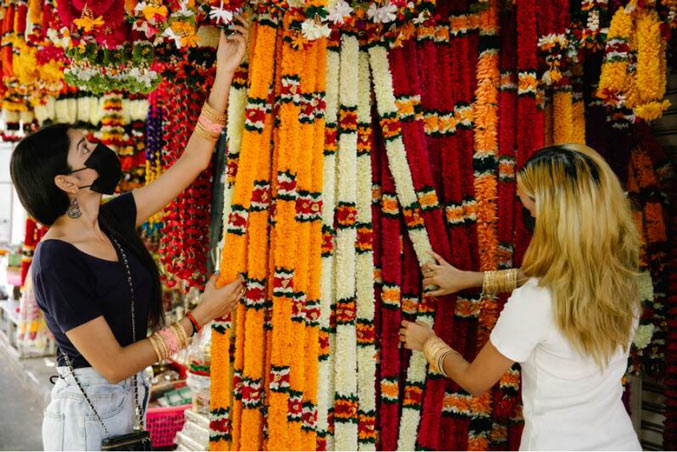
Goa's bustling flea markets reflect Goa's hippie influence; here you will find handmade crafts, jewelry, clothing, and art for sale that showcase creativity and entrepreneurship that have always been at the heart of hippie culture. These markets stand as testimony to the lasting spirit of creativity and entrepreneurialism that continues today.
Goa remains an oasis for music enthusiasts, offering regular festivals, trance parties, and live performances reminiscent of hippie days from decades past. Music that once united hippies can still be heard echoing through Goan nights today!
Creative expression was an essential feature of Goa's hippie culture. Talented artists would gather on its beaches and paint vibrant murals onto rocks or craft sculptures from driftwood; not only were these artistic endeavors an outlet for self-expression but they helped define Goa during that era visually.
Goa's hippie era left an indelible legacy of multiculturalism: one which can still be found today despite having come and gone. People from various corners of the globe came together, leading to an eclectic blend of cultures that still influences its cuisine, fashion, and traditions; Goa remains a place where East meets West in harmony and coexistence.
Goa stands as an iconic example of tolerance, acceptance, and coexistence thanks to its hippie heritage in the 70s and 80s; today these values still run deep through Goan culture making it a haven for travelers from diverse backgrounds and orientations alike.
Goa's Nightlife Goa is known for its lively nightlife scene that encompasses beach parties and electronic music events; much of this heritage dates back to hippie-era beach parties and events, though their music has evolved with time - their spirit of celebration and freedom remain constant throughout history.
Goa's hippie community played an instrumental role in spreading environmental consciousness. Their love for nature-inspired efforts to preserve beaches and forests across Goa; today this eco-conscious mindset continues to impact environmental initiatives in modern Goa.
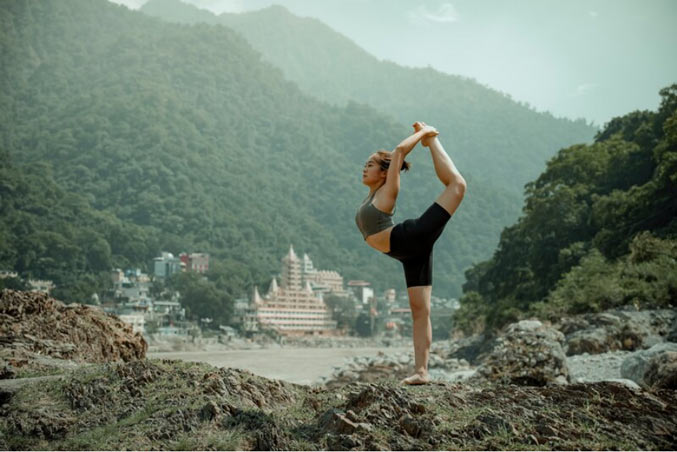
Hippie culture was steeped in yoga and wellness practices that flourished decades ago in Goa. Nowadays multiple retreats are offering rejuvenating practices such as yoga or mindfulness meditation that provide rejuvenation of mind, body, and spirit in much the same manner as their predecessors decades earlier.
Goa hosts various cultural festivals and celebrations every year that showcase its vibrant history, art, and traditions; giving visitors an enhanced knowledge of this area that was so beloved by hippies during their stay here.
Goa's 70s and 80s witnessed an exciting period, marked by free spirits, music, and an alternative way of living. Although hippie culture may no longer flourish there, its legacy remains strong within Goa itself and continues to attract those seeking their form of paradise.
Go For This
Taxes / Nov 06, 2025
Destinations / Sep 22, 2025

Destinations / Sep 28, 2025

Mortgages / Sep 02, 2025

Mortgages / Nov 14, 2025
Guides / Sep 11, 2025
Destinations / Sep 24, 2025

Mortgages / Oct 31, 2025